
Table of Contents
- H2: Understanding Fatigue
- H2: Root Cause 1: Nutritional Deficiencies
- H2: Root Cause 2: Poor Sleep Quality
- H2: Root Cause 3: Hormonal Changes
- H2: Root Cause 4: Lack of Physical Activity
- H2: Root Cause 5: Mental Load
- H2: Root Cause 6: Societal Pressures
- H2: Practical Tips for Boosting Energy
- H2: When to Seek Help
- Conclusion
- FAQs
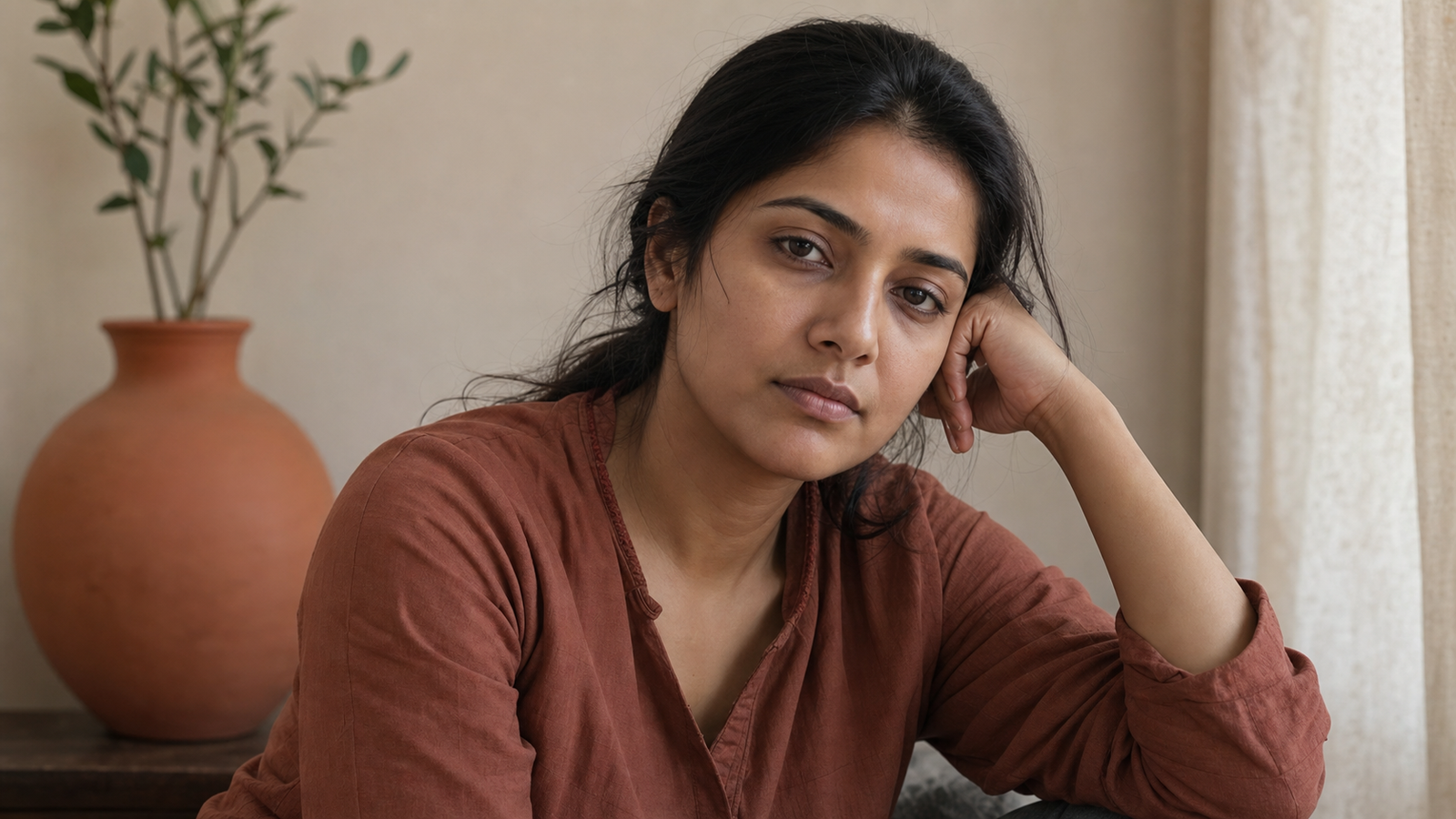
Many Indian women report feeling tired all the time, and this fatigue often goes beyond just stress. Several underlying factors contribute to this feeling. Understanding these causes can help improve energy levels and overall well-being.
Feeling tired often affects daily life, impacting both physical and mental health. Let’s break down the reasons why this is happening.
H2: Understanding Fatigue
Fatigue is not just about feeling sleepy. It’s a complex condition that can include mental exhaustion, low energy, and physical weariness. Many Indian women experience this type of fatigue due to various factors.
H3: What’s the Difference Between Fatigue and Tiredness?
- **Fatigue**: A persistent state of exhaustion that is not relieved by rest. It can affect one’s ability to concentrate and perform daily tasks.
- **Tiredness**: Usually temporary and can often be relieved with sleep or rest.
Recognizing this difference helps in understanding why many women feel constantly tired.
H2: Root Cause 1: Nutritional Deficiencies
H3: Common Nutritional Gaps
Diet plays a significant role in our energy levels. Many Indian women may not get enough nutrients, leading to fatigue. Common deficiencies include:
- **Iron**: Essential for blood health. Low iron can lead to anemia, causing tiredness.
- **Vitamin D**: Important for bone health and energy. Many people have low levels due to lack of sunlight.
- **B Vitamins**: Help convert food into energy. A lack of B vitamins can cause fatigue.
H3: Addressing Nutritional Deficiencies
1. Balanced Diet: Focus on foods rich in iron (like leafy greens) and vitamin D (like fish and eggs).
2. Supplements: Consult with a doctor about taking vitamin supplements if needed.
H2: Root Cause 2: Poor Sleep Quality
H3: Factors Affecting Sleep
Quality sleep is crucial for energy. Many women struggle with poor sleep due to:
- **Sleep Disorders**: Conditions like insomnia can make it hard to fall or stay asleep.
- **Stress and Anxiety**: These can lead to restless nights.
H3: Improving Sleep Hygiene
1. Regular Schedule: Go to bed and wake up at the same time daily.
2. Create a Calm Environment: Keep the bedroom dark and quiet.
3. Limit Screens: Try to avoid screens for at least an hour before bed.
H2: Root Cause 3: Hormonal Changes
H3: Impact of Hormones on Energy
Hormonal fluctuations can significantly impact energy levels. Common stages include:
- **Menstruation**: Many women feel more tired during their period.
- **Pregnancy**: Fatigue is common due to hormonal changes and increased energy demands.
- **Menopause**: Hormonal shifts can lead to sleep disturbances and tiredness.
H3: Managing Hormonal Fatigue
1. Consult a Doctor: Regular check-ups can help manage symptoms.
2. Lifestyle Adjustments: Maintaining a healthy diet and exercise can help balance hormones.
H2: Root Cause 4: Lack of Physical Activity
H3: Irony of Exercise
While it may seem counterintuitive, lack of exercise can lead to increased fatigue. A sedentary lifestyle can decrease energy levels.
H3: Benefits of Regular Activity
1. Boosts Energy: Regular, moderate exercise can increase energy and reduce fatigue.
2. Improves Mood: Physical activity releases endorphins, which can help combat feelings of tiredness.
H3: How to Incorporate Activity
- **Set Small Goals**: Start with 10-15 minutes of brisk walking daily.
- **Find Fun Activities**: Participate in group classes or sports you enjoy.
H2: Root Cause 5: Mental Load
H3: Understanding Mental Load
Indian women often take on multiple roles, including work, home, and care duties, leading to mental fatigue. This burden can manifest physically as feeling tired.
H3: Strategies to Manage Mental Load
1. Talk it Out: Share responsibilities with family members.
2. Set Boundaries: Learn to say no to tasks that can overwhelm you.
H2: Root Cause 6: Societal Pressures
H3: The Weight of Expectations
Cultural expectations often place undue pressure on women to perform perfectly in various roles, leading to burnout.
H3: Coping with Societal Pressures
1. Seek Support: Join community groups or online forums for shared experiences.
2. Focus on Self-Care: Make time for hobbies or relaxation to recharge.
H2: Practical Tips for Boosting Energy
- **Stay Hydrated**: Drink plenty of water throughout the day.
- **Mindfulness Practices**: Try meditation or yoga to relieve stress and improve energy.
- **Eat Smaller Meals**: Opt for frequent, nutritious meals to maintain energy levels.
H2: When to Seek Help
If fatigue persists despite making lifestyle changes, it’s important to consult with a healthcare professional. They can help identify any underlying conditions or more serious health issues.
Conclusion
Feeling tired all the time isn’t just about stress. It can stem from various factors including nutrition, sleep, hormonal changes, and societal pressures. Understanding these root causes can empower women to take steps towards better energy and well-being.
FAQs
What are the main reasons Indian women feel tired?
The main reasons include nutritional deficiencies, poor sleep quality, hormonal changes, lack of physical activity, mental load, and societal pressures.
How can I improve my energy levels?
To improve energy, maintain a balanced diet, create good sleep habits, exercise regularly, and manage stress effectively.
Is fatigue a sign of something serious?
Not always, but prolonged fatigue can indicate an underlying health issue. It’s best to consult a doctor if tiredness persists.
Can diet impact fatigue?
Yes, a poor diet lacking essential nutrients can lead to fatigue. Focus on eating a variety of foods to ensure nutrient intake.
What role do hormones play in fatigue?
Hormonal changes, especially during menstruation, pregnancy, and menopause, can cause sleep disturbances and excess fatigue.
How does physical activity help reduce tiredness?
Regular exercise boosts energy levels, improves mood, and can help combat feelings of tiredness.
How important is sleep for energy?
Quality sleep is crucial. Poor sleep can lead to significant fatigue, impacting overall health and daily functioning.
What can I do if I feel overwhelmed by daily responsibilities?
Consider sharing tasks with family, setting boundaries, and prioritizing self-care to manage responsibilities more effectively.
How can I maintain a positive mindset amidst stress?
Practicing mindfulness, journaling, or talking with friends can help maintain a positive outlook and reduce stress.
Are there any supplements that can help reduce fatigue?
Supplements like iron, vitamin D, and B vitamins can help, but consult with a healthcare provider before starting any new regimen.
Is it normal to feel tired all the time?
While occasional fatigue is normal, consistent tiredness may indicate underlying issues that need to be addressed. If it continues, seek medical advice.
Medical Disclaimer
This article is for educational purposes only and should not be considered medical advice.
Always consult your doctor before making health-related decisions.