
Table of Contents
- Understanding PCOS
- The Role of Exercise in Managing PCOS
- Strength Training vs Cardio for PCOS
- Why Strength Training is More Effective
- How to Get Started with Strength Training
- Combining Strength Training with Cardio
- Nutrition and Lifestyle Changes
- Tracking Your Progress
- Frequently Asked Questions (FAQs)
Strength training is more effective than cardio for managing PCOS symptoms. For women with Polycystic Ovary Syndrome (PCOS), strength training helps improve insulin sensitivity, boosts metabolism, and promotes better hormonal balance. This article explores why incorporating strength training into your routine can lead to better health outcomes for PCOS.
Understanding how exercise impacts PCOS is crucial. Many women feel overwhelmed about how to manage their symptoms. Let’s break down why strength training can be the better choice and how you can get started with it.
Understanding PCOS
What is PCOS?
Polycystic Ovary Syndrome (PCOS) is a hormonal disorder affecting women of reproductive age. It can cause irregular periods, excessive hair growth, acne, and weight gain. Women with PCOS may also have insulin resistance, which means their bodies don’t respond well to insulin.
What Causes PCOS?
The exact cause of PCOS is unclear. However, several factors may contribute, including:
- **Genetics**: Family history can play a significant role.
- **Insulin Resistance**: High insulin levels can lead to weight gain and other symptoms.
- **Hormonal Imbalances**: An imbalance in hormones, like androgens, can lead to various symptoms.
Common Symptoms of PCOS
Women with PCOS might experience various symptoms, such as:
- Irregular or missed periods
- Weight gain
- Acne and oily skin
- Excess hair growth (hirsutism)
- Thinning hair on the scalp
The Role of Exercise in Managing PCOS
Why Exercise Matters
Exercise offers numerous health benefits for women with PCOS. Regular physical activity can improve:
- **Blood sugar control**: Reduces insulin levels and improves insulin sensitivity.
- **Weight management**: Helps in losing or maintaining weight, which is crucial for controlling symptoms.
- **Hormonal balance**: Supports overall hormonal health.
Types of Exercise
While all physical activity is beneficial, not all exercises have the same effects on PCOS. Let’s look closely at two common types: strength training and cardio.
Strength Training vs Cardio for PCOS
What is Strength Training?
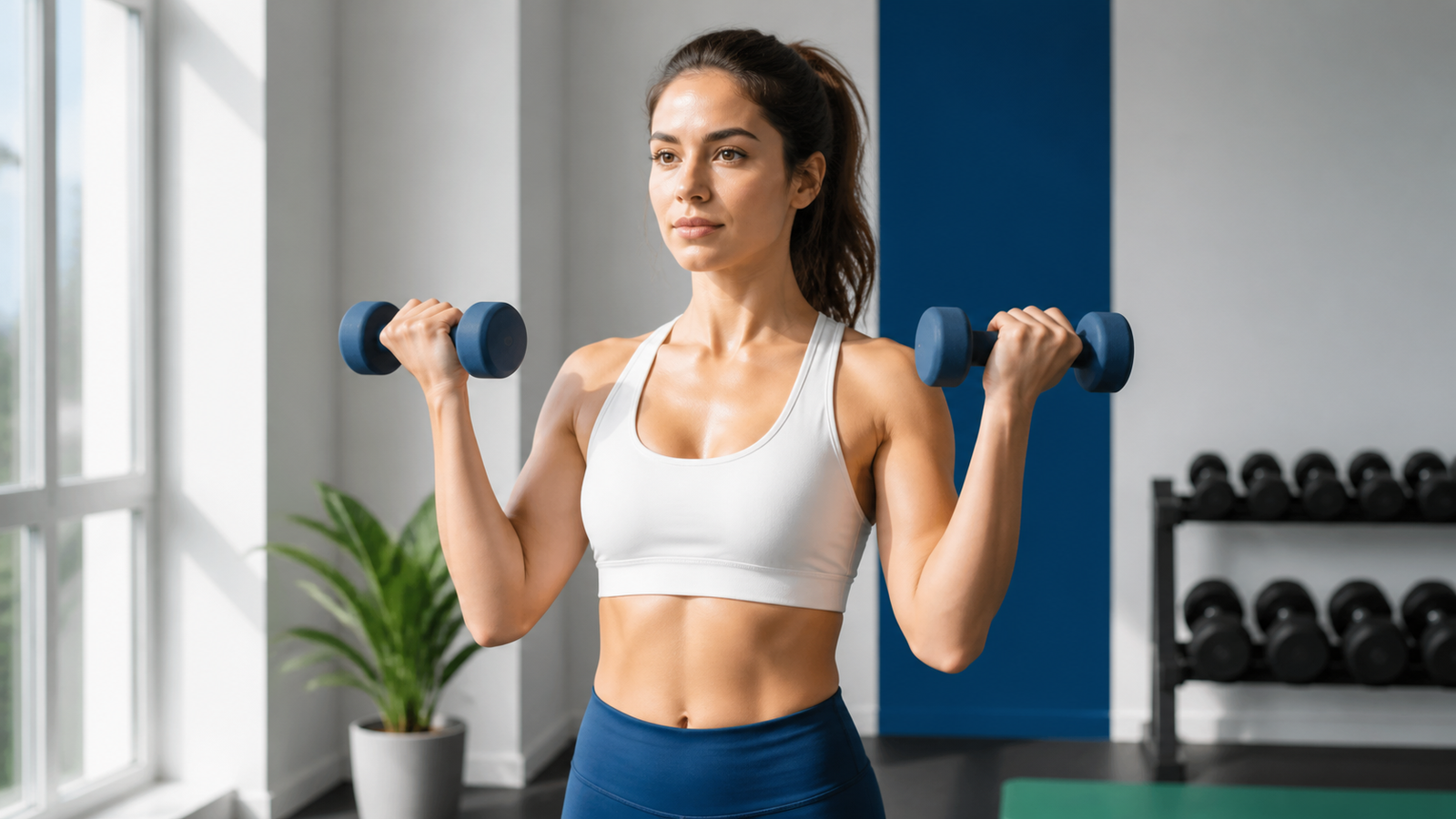
Strength training, also known as resistance training, involves using weights or resistance to build muscle. This can include lifting weights, bodyweight exercises, or using resistance bands.
Benefits of Strength Training for PCOS
1. Increases Muscle Mass: More muscle increases your resting metabolic rate, helping your body burn more calories.
2. Improves Insulin Sensitivity: Strength training helps your body use insulin better.
3. Enhances Mood: It can reduce anxiety and depression, common in women with PCOS.
4. Boosts Confidence: Building strength can enhance self-esteem and body image.
What is Cardio?
Cardio, or aerobic exercise, involves activities that raise your heart rate. This includes running, cycling, swimming, and brisk walking.
Pros and Cons of Cardio for PCOS
Pros:
- Great for burning calories.
- Improves heart health.
- Helps maintain a healthy weight.
Cons:
- May not be as effective for building muscle.
- Excessive cardio can lead to stress on the body.
- Might not address insulin resistance as effectively as strength training.
Why Strength Training is More Effective
Scientific Support
Research shows that resistance training can be more effective for improving insulin sensitivity than cardio alone. A study found that women with PCOS who engaged in strength training had better insulin resistance than those who only did cardio.
Hormonal Balance
Strength training encourages the production of hormones like testosterone and human growth hormone, which can help regulate body fat and muscle mass.
Long-Term Weight Management
While cardio can help with quick weight loss, strength training promotes long-term weight management by building lean muscle. Muscle burns more calories at rest than fat, helping you maintain a healthy weight.
How to Get Started with Strength Training
Creating a Plan
1. Set Clear Goals: Determine your fitness objectives, such as weight loss, improved strength, or better mood.
2. Choose the Right Equipment: You can start with bodyweight exercises or invest in free weights or resistance bands.
3. Frequency: Aim for at least 2-3 days of strength training per week, allowing a day of rest in between sessions.
Basic Exercises for Beginners
1. Squats: Great for building leg strength.
2. Push-Ups: Effective for upper body strength.
3. Planks: Excellent for core stability.
4. Deadlifts: Helps in building overall body strength.
Tips for Success
- **Warm-Up**: Always warm up before your workouts to prevent injuries.
- **Focus on Form**: Proper technique is crucial for effectiveness and safety.
- **Start Slow**: If you’re new to strength training, begin with lighter weights and gradually increase.
- **Stay Consistent**: Regular sessions are key to seeing progress.
Combining Strength Training with Cardio
Finding Balance
While strength training is beneficial, incorporating some cardio can also be helpful. Here’s how to balance both:
- **Mix It Up**: Include 2-3 cardio sessions per week along with your strength training.
- **Short Bursts**: Integrate quick cardio bursts (like jumping jacks) in your strength workouts.
- **Enjoyable Activities**: Choose cardio activities that you enjoy to keep motivated.
Nutrition and Lifestyle Changes
Importance of a Balanced Diet
Eating a balanced diet is essential for managing PCOS. Focus on:
- **Whole Foods**: Incorporate fruits, vegetables, whole grains, and lean proteins.
- **Healthy Fats**: Include sources like avocados, nuts, and olive oil.
- **Limit Sugars**: Reducing refined sugars can help regulate blood sugar levels.
Managing Stress
High stress can worsen PCOS symptoms. Try techniques like:
- **Mindfulness**: Practicing meditation can help reduce stress.
- **Adequate Sleep**: Aim for 7-9 hours of quality sleep each night.
- **Social Support**: Connect with family and friends for support.
Tracking Your Progress
Keeping a Journal
Recording your workouts and dietary habits can help you stay accountable and see progress over time. Note:
- **Workout Dates**: Track when you exercise and what you do.
- **Physical Changes**: Write down how you feel, energy levels, and any changes in symptoms.
- **Goals**: Set and adjust goals as you progress.
Celebrate Milestones
Recognize your achievements, no matter how small. Celebrating progress can motivate you to keep going.
Frequently Asked Questions (FAQs)
What is the best exercise for PCOS?
Strength training is often recommended due to its benefits for insulin sensitivity. However, combining it with cardio can provide a well-rounded routine.
How often should I exercise if I have PCOS?
Aim for at least 150 minutes of moderate-intensity exercise per week, which can include both strength training and cardio.
Can I lose weight with strength training?
Yes, strength training helps build muscle, which can boost your metabolism and aid in weight loss.
Is cardio bad for PCOS?
Cardio isn’t bad, but it should be balanced with strength training for optimal results in managing PCOS.
How long does it take to see results from strength training?
Results can vary, but many people notice changes in strength and body composition within a few weeks to a few months.
What should I eat to support my exercise routine for PCOS?
Focus on whole, nutrient-dense foods. Prioritize lean proteins, healthy fats, and fiber-rich foods.
Can stress impact PCOS?
Yes, stress can worsen PCOS symptoms. Managing stress through exercise, mindfulness, and social support can help.
Are there specific strength training exercises for women with PCOS?
While any strength training can help, exercises like squats, lunges, and push-ups are great for beginners.
Should I consult a doctor before starting an exercise program?
Yes, especially if you have any pre-existing health conditions. A healthcare provider can guide you on safe practices.
Does timing of exercise matter for women with PCOS?
Some studies suggest that exercising in the morning might benefit women with PCOS, but individual preferences are essential.
How can I stay motivated to exercise regularly with PCOS?
Setting realistic goals, finding a workout buddy, and mixing up your routine can help keep you motivated.
Are there any precautions I should take while exercising with PCOS?
Listen to your body. If you experience pain or discomfort, it’s important to stop and consult a healthcare professional.
What resources can help me understand exercise for PCOS better?
Books, online forums, and professional dieticians or trainers specializing in PCOS can provide valuable guidance.
Should I focus more on strength training or cardio?
Strength training is particularly beneficial for managing PCOS, but a balance of both is ideal for overall health.
Can regular exercise help regulate my menstrual cycle?
Yes, exercise can help balance hormones, improving menstrual regularity over time.
Incorporating strength training into your routine can make a significant difference in managing PCOS. It helps with weight control, insulin sensitivity, and hormonal balance. Start small, stay consistent, and remember to listen to your body.
Medical Disclaimer
This article is for educational purposes only and should not be considered medical advice.
Always consult your doctor before making health-related decisions.