
Table of Contents
Many women with Polycystic Ovary Syndrome (PCOS) wonder if they should stop eating rice. While rice is a staple food for many, its effects on PCOS can vary. This article explores the relationship between rice and PCOS, helping you make informed choices.
The topic matters because dietary choices can significantly impact PCOS symptoms. Understanding the role of rice can help you manage your condition better.
What is PCOS?
PCOS, or Polycystic Ovary Syndrome, is a hormonal disorder affecting many women. It causes a range of symptoms, including:
- Irregular periods
- Weight gain
- Acne
- Excess hair growth
Women with PCOS often experience insulin resistance, which means their bodies do not use insulin effectively. This can lead to higher blood sugar levels, increasing the risk of diabetes.
Understanding Rice
Rice is a popular grain worldwide. It is mainly composed of carbohydrates. There are several types of rice, including:
- **White rice:** Milled and polished, it loses nutrients during processing.
- **Brown rice:** Whole grain rice, it retains more nutrients and fiber.
- **Wild rice:** Technically a grass, it’s high in protein and fiber.
Nutritional Profile of Rice
1. Carbohydrates: The primary content in rice, they provide energy.
2. Protein: Rice has a low protein content compared to other grains.
3. Fiber: Brown rice has more fiber, which aids digestion.
4. Vitamins and Minerals: Brown rice contains more vitamins and minerals than white rice.
Impact of Carbohydrates on PCOS
For women with PCOS, managing carbohydrate intake is crucial. High carbohydrate consumption can lead to:
- Increased blood sugar levels
- Higher insulin levels
- Weight gain
Rice for PCOS: The Debate
Many believe that all types of rice can worsen PCOS symptoms. However, it is essential to look at the details.
#### White Rice vs. Brown Rice
- **White rice:** May cause spikes in blood sugar due to its high glycemic index. This is not ideal for those with PCOS.
- **Brown rice:** Lower glycemic index, it releases glucose slowly into the bloodstream. This helps maintain stable blood sugar levels.
Should You Eliminate Rice?
The answer isn’t straightforward. Here are some points to consider before deciding:
1. Moderation is Key: Instead of eliminating rice, consider reducing portions.
2. Opt for Whole Grains: Choose brown rice or alternatives like quinoa or barley.
3. Pairing Matters: Eat rice with protein and healthy fats to slow digestion. This helps stabilize blood sugar levels.
Practical Tips for Eating Rice with PCOS
Here are some tips to enjoy rice without compromising your health:
1. Choose the Right Type of Rice
- **Go for brown rice or wild rice.** They pack more nutrients and fiber.
- **Try alternatives** like quinoa or cauliflower rice to reduce carbs.
2. Control Portion Sizes
- Stick to small servings. A half-cup of cooked brown rice can be a good portion.
- Use a measuring cup to keep track of portions, especially if you’re just starting.
3. Balance Your Plate
- Include lean proteins like chicken, tofu, or beans.
- Add non-starchy vegetables like broccoli or spinach. They are low in carbs and high in fiber.
4. Avoid Processed Foods
- Limit sugary sauces or fried rice dishes. They can increase your carbohydrate intake quickly.
Recipes for PCOS-Friendly Meals with Rice
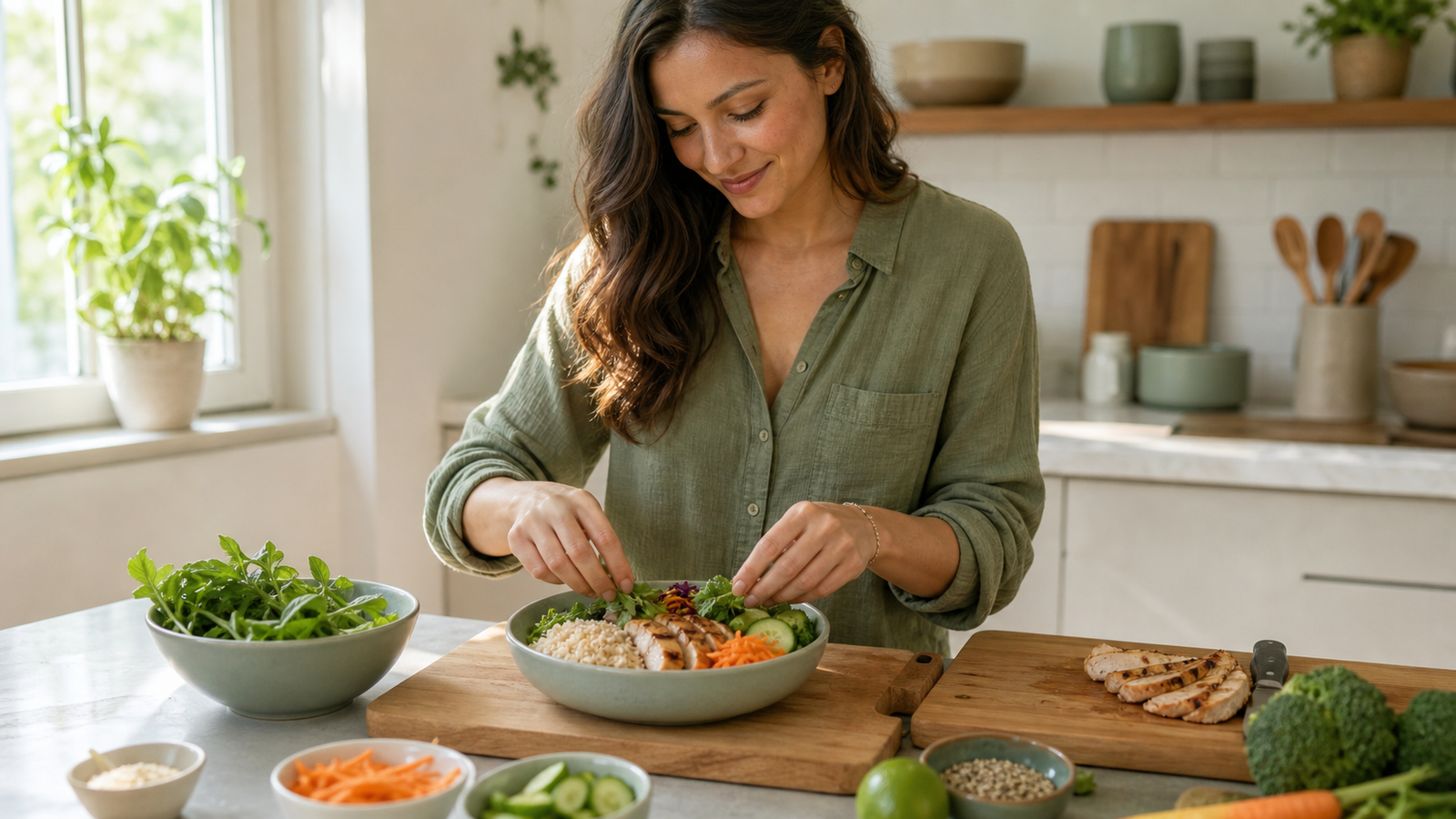
Brown Rice Bowl
Ingredients:
- 1 cup cooked brown rice
- Grilled chicken or tofu
- Steamed broccoli
- A drizzle of olive oil and lemon juice
Instructions:
1. Cook brown rice as per package instructions.
2. Grill chicken or sauté tofu until golden.
3. Steam broccoli until tender.
4. Assemble in a bowl, drizzle with olive oil and lemon.
Quinoa and Rice Salad
Ingredients:
- ½ cup cooked brown rice
- ½ cup cooked quinoa
- Chopped bell peppers
- Cherry tomatoes
- Olive oil and balsamic vinegar
Instructions:
1. Cook rice and quinoa separately, then let cool.
2. Mix chopped vegetables in a bowl.
3. Combine grains and dress with olive oil and vinegar.
Managing PCOS Through Diet
Diet plays a vital role in managing PCOS. Here are some additional foods to include in your diet:
- **Leafy greens:** Spinach and kale are rich in nutrients and low in calories.
- **Fruits:** Berries are low in sugar and high in fiber.
- **Healthy fats:** Nuts, seeds, and avocados support hormone balance.
- **Lean proteins:** Eggs and fish help maintain muscle mass and keep you full.
Foods to Avoid
- **Sugary snacks:** They can cause blood sugar spikes.
- **Processed carbs:** White bread and pastries are low in nutrients and high in sugar.
- **Fried foods:** These contribute to inflammation and weight gain.
Lifestyle Changes for PCOS Management
Diet is just one part of managing PCOS. Consider the following lifestyle changes:
1. Regular Exercise
Stay active with activities you enjoy. Aim for at least 30 minutes of moderate exercise most days of the week.
2. Stress Management
Practice mindfulness or yoga. These can reduce stress and improve hormonal balance.
3. Get Enough Sleep
Aim for 7-9 hours of sleep each night. Poor sleep can worsen PCOS symptoms.
4. Regular Check-ups
Stay in touch with your healthcare provider. Regular check-ups can help monitor your condition and adjust your diet or medication if needed.
Psychological Aspects of PCOS
Living with PCOS can be challenging emotionally. Many women face anxiety and depression related to weight gain, infertility, and hormonal imbalances. Here are ways to support mental wellness:
- **Seek support groups:** Connecting with others who have PCOS can alleviate feelings of isolation.
- **Talk to a therapist:** Professional help can provide coping strategies for managing symptoms.
Conclusion
You don’t have to give up rice completely. The key is to choose the right type, watch portion sizes, and balance it with other healthy foods. Making informed choices can help manage your PCOS symptoms effectively.
FAQs
Is brown rice better for PCOS than white rice?
Yes, brown rice is generally better because it has a lower glycemic index and more fiber.
Can I eat rice with PCOS?
Yes, but moderation is important. Choose healthier options and pair them with proteins and vegetables.
What are the best types of rice for PCOS?
Brown rice, wild rice, and quinoa are great options due to their nutritional benefits.
How can rice affect insulin levels?
High-glycemic foods, like white rice, can cause insulin spikes, which can worsen PCOS symptoms.
Do I need to avoid carbohydrates completely?
No, not all carbs are bad. Focus on complex carbohydrates that are high in fiber.
Is it important to consult a dietitian for PCOS?
Yes, a dietitian can help create a tailored meal plan that fits your needs.
How does weight impact PCOS?
Weight can affect hormone levels, and losing weight can help manage symptoms.
What snacks should I choose if I have PCOS?
Opt for high-fiber snacks like fruits, nuts, and yogurt to keep blood sugar levels stable.
Can exercise help in managing PCOS symptoms?
Yes, regular exercise can improve insulin sensitivity and aid weight management.
Should I avoid sugar entirely with PCOS?
Try to limit sugary foods, but small amounts in moderation can be fine.
Is it safe to eat rice during pregnancy if I have PCOS?
Consult your doctor for personalized advice; generally, whole grains are beneficial.
What other grains can I eat if I have PCOS?
Quinoa, barley, and whole wheat products are good alternatives.
Can stress affect PCOS symptoms?
Yes, stress can exacerbate symptoms due to its impact on hormone levels.
How does inflammation relate to PCOS?
PCOS is linked to low-grade inflammation, and diet can influence overall inflammation levels.
Medical Disclaimer
This article is for educational purposes only and should not be considered medical advice.
Always consult your doctor before making health-related decisions.