
Table of Contents
- Why Protein Is Important
- Recommended Daily Protein Intake for Indian Women
- How to Calculate Your Protein Needs
- Good Sources of Protein for Indian Women
- Practical Tips to Increase Protein Intake
- Common Myths About Protein
- How to Track Your Protein Intake
- The Role of a Nutritionist
- Health Considerations for Protein Intake
- FAQs
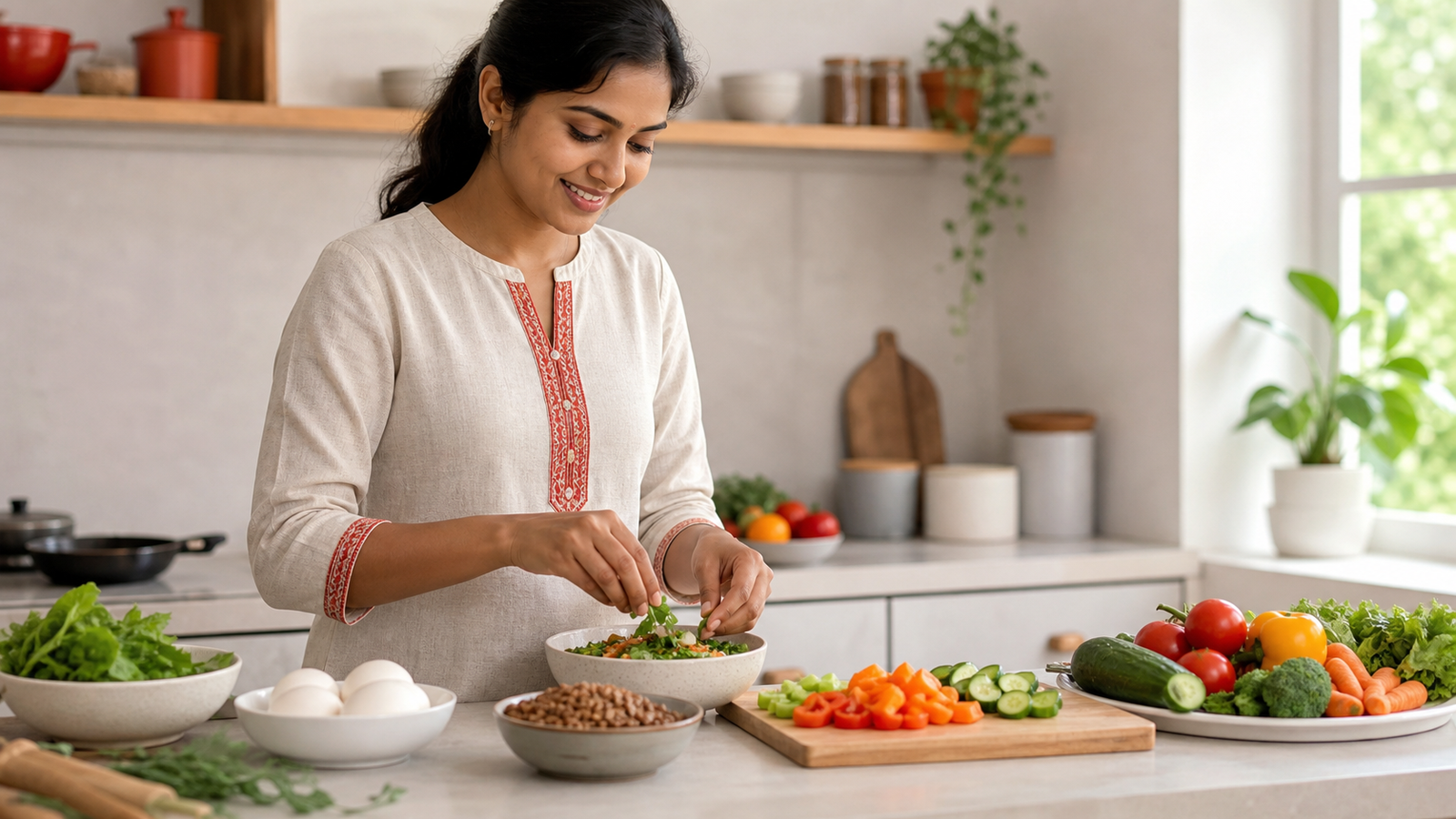
To stay healthy, Indian women need between 46 to 60 grams of protein per day, depending on their age, activity level, and health goals. Protein is essential for muscle repair, energy, and overall well-being. Understanding how much protein to include in daily meals is key for maintaining good health.
Protein plays a crucial role in our bodies, but how much do we truly need? In India, the average diet may not always meet the required protein intake. This article will explore the importance of protein for Indian women and provide guidelines for meeting daily protein needs.
Why Protein Is Important
What is Protein?
Protein is a nutrient made up of smaller units called amino acids. Your body uses these amino acids to build and repair tissues like muscles, skin, and organs. It also helps produce enzymes and hormones.
Benefits of Protein for Women
1. Muscle Growth and Repair: Essential for building strong muscles, especially after exercise.
2. Energy Source: Provides energy when carbohydrates are not available.
3. Weight Management: Helps you feel full longer, which may aid in weight loss.
4. Hormone Production: Supports hormone balance, crucial for menstrual and reproductive health.
Recommended Daily Protein Intake for Indian Women
Basic Guidelines
- **Sedentary Women**: About 46 grams of protein per day.
- **Active Women**: Around 56 to 60 grams per day, especially those who exercise regularly.
Factors Influencing Protein Needs
1. Age: Young women may require different amounts compared to older adults.
2. Activity Level: More active individuals need more protein to support muscle repair.
3. Health Goals: Those looking to gain muscle or lose weight might need extra protein.
How to Calculate Your Protein Needs
Steps to Determine Protein Needs
1. Know Your Weight: Start with your current weight in kilograms.
2. Determine Activity Level: Identify if you’re sedentary, moderately active, or active.
3. Use the Formula:
- **Sedentary**: Weight (kg) x 0.8 grams.
- **Active**: Weight (kg) x 1.0 to 1.2 grams.
Example Calculation
If you weigh 60 kg and are moderately active:
- Sedentary: 60 kg x 0.8 = 48 grams
- Active: 60 kg x 1.0 = 60 grams
Aim for somewhere in between, adjusting based on your specific needs.
Good Sources of Protein for Indian Women
Animal-Based Proteins
- **Chicken**: A lean source, good for muscle growth.
- **Fish**: Rich in omega-3 fatty acids, boosts heart health.
- **Eggs**: High in quality protein, easy to prepare.
Plant-Based Proteins
- **Lentils**: Affordable and versatile, great for vegetarian diets.
- **Chickpeas**: Useful in salads, curries, and snacks.
- **Quinoa**: A complete protein containing all nine essential amino acids.
Dairy Products
- **Milk**: Provides calcium and protein.
- **Yogurt**: Good for digestion and protein intake.
- **Paneer**: A popular choice among vegetarians for its protein content.
Practical Tips to Increase Protein Intake
Easy Cooking Ideas
1. Smoothies: Add yogurt, nuts, or protein powder.
2. Snacks: Choose nuts, seeds, or boiled eggs over chips.
3. Dishes: Incorporate lentils and beans into your meals.
Meal Planning
- **Breakfast**: Include eggs or a protein-rich smoothie.
- **Lunch & Dinner**: Ensure a mix of lentils, vegetables, and a source of protein like fish or chicken.
- **Snacks**: Pick protein bars or hummus with veggies.
Common Myths About Protein
Myth 1: Only Meat Provides Protein
While meat is a great source, many plant foods also offer significant protein. Lentils, beans, and quinoa can be excellent alternatives.
Myth 2: You Can Only Get Protein at Certain Meals
You can distribute protein throughout the day. Every meal and snack can contribute to your protein needs.
How to Track Your Protein Intake
Use of Apps or Journals
1. Food Diaries: Keep track of daily food consumption and note protein sources.
2. Nutrition Apps: Use apps like MyFitnessPal to monitor your protein intake easily.
Set Goals
- Aim to consistently meet your daily protein requirements.
- Adjust as needed based on lifestyle changes or fitness goals.
The Role of a Nutritionist
When to Seek Help
If you’re unsure about your protein needs, a nutritionist can help. They can create a personalized plan based on your unique lifestyle and health conditions.
Benefits of Professional Guidance
A nutritionist can provide:
- **Customized Plans**: Tailored to your specific needs.
- **Advice on Supplements**: Information on whether protein powders or supplements are right for you.
- **Support and Accountability**: Helps you stay on track with your protein goals.
Health Considerations for Protein Intake
Too Little Protein
Insufficient protein can lead to:
- Muscle weakness
- Fatigue
- Poor immune function
Too Much Protein
Excessive protein can stress the kidneys and may lead to dehydration.
FAQs
How much protein do Indian women need daily?
Most Indian women need between 46 to 60 grams of protein each day, depending on their activity level and age.
Can I get enough protein without eating meat?
Yes, many plant-based foods like lentils, beans, and nuts can provide ample protein.
How do I increase my protein intake?
Incorporate protein-rich foods in every meal and snack, such as eggs, yogurt, and legumes.
What are the best vegetarian sources of protein?
Good vegetarian sources include lentils, chickpeas, tofu, and quinoa.
Is it okay to take protein supplements?
Supplements can be helpful but consult with a nutritionist to determine if you need them.
How important is protein for weight loss?
Protein helps you feel full longer, which can aid in weight loss when part of a balanced diet.
Can protein help with muscle soreness?
Yes, protein is essential for repairing muscles after exercise.
What if I have a specific health condition?
Consult a healthcare professional or nutritionist to tailor your protein intake to your unique needs.
How does my age affect my protein needs?
Younger women may require different amounts compared to older adults, especially during pregnancy or menopause.
What are some easy protein-rich snacks?
Snacks like yogurt, nuts, boiled eggs, or protein bars are quick and easy choices.
Should I worry about kidney health with high protein intake?
Excessive protein can stress the kidneys; balance is important. Consult a professional for guidance.
How should I balance protein with other nutrients?
Aim for a balanced diet that includes carbohydrates, fats, fruits, and vegetables along with protein.
Can I meet my protein needs on a plant-based diet?
Yes, with careful planning, a plant-based diet can meet all your protein needs effectively.
How to know if I’m getting enough protein?
Monitor your meals and use tools like food journals or nutrition apps to track your protein intake.
Medical Disclaimer
This article is for educational purposes only and should not be considered medical advice.
Always consult your doctor before making health-related decisions.