
Table of Contents
Lean PCOS refers to a type of polycystic ovary syndrome that occurs in individuals who are at a normal weight. Many believe that PCOS is only related to obesity, but that’s not true. This condition can affect those with a healthy weight, leading to an imbalance of hormones and various health issues.
Understanding Lean PCOS is important for effective management and treatment. Many people have misconceptions about weight and PCOS. Let’s shed light on why having this condition at a normal weight is entirely possible.
What is PCOS?
Polycystic ovary syndrome, or PCOS, is a hormonal disorder that affects people with ovaries. It can cause a variety of symptoms, including:
- Irregular menstrual cycles
- Excessive hair growth (hirsutism)
- Acne and oily skin
- Weight gain (though some are normal weight)
- Thinning hair on the scalp
PCOS is caused by an imbalance of hormones, particularly androgens. These are sometimes called “male hormones.” They are present in everyone but are usually in lower amounts in those with ovaries.
Types of PCOS
There are different types of PCOS based on symptoms and underlying causes. The most common types include:
1. Insulin-resistant PCOS: This is linked to being overweight and having higher blood sugar levels.
2. Post-pill PCOS: This type can occur after stopping birth control pills.
3. Inflammatory PCOS: Inflammation in the body is linked to hormonal imbalance.
4. Lean PCOS: This affects those who are at a normal weight but still experience symptoms of PCOS.
What is Lean PCOS?
Lean PCOS is a subtype where individuals maintain a healthy weight but still face the typical symptoms associated with PCOS. This condition can be surprising to many, as they assume weight is a key factor in the development of PCOS.
Why Does Lean PCOS Happen?
Several factors can contribute to Lean PCOS:
- **Hormonal Imbalance**: Just like in those with higher weight, hormonal imbalances can occur in individuals with Lean PCOS, affecting ovulation and menstruation.
- **Genetics**: Family history can increase the risk of developing PCOS, regardless of weight.
- **Diet and Nutrition**: Sometimes, even those with a healthy weight have poor nutritional habits that impact hormonal health.
- **Stress**: Chronic stress can affect hormone levels, leading to symptoms of PCOS.
Signs and Symptoms of Lean PCOS
Those with Lean PCOS may experience symptoms similar to traditional PCOS patients. Key indicators include:
- Infrequent or absent menstrual periods
- Unexplained weight gain or difficulty managing weight
- Severe acne
- Unusual hair growth on the face or body
- Thinning of hair on the scalp
Diagnosis of Lean PCOS
Diagnosing Lean PCOS involves various steps. A healthcare provider may:
- Conduct a physical exam.
- Order blood tests to check hormone levels.
- Perform an ultrasound to look at the ovaries.
There are specific criteria used to diagnose PCOS, and it’s important to rule out other conditions that could cause similar symptoms.
Treatment Options for Lean PCOS
Managing Lean PCOS focuses on alleviating symptoms and improving overall health. Here are common treatment options:
Lifestyle Changes
1. Diet: A balanced diet rich in whole foods can help manage symptoms. Focus on:
- Fruits and vegetables
- Lean proteins
- Whole grains
- Healthy fats
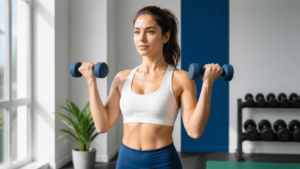
2. Exercise: Regular physical activity can help:
- Improve insulin sensitivity
- Regulate menstrual cycles
- Reduce stress
Medical Treatments
- **Medications**: A healthcare provider may prescribe medications like:
- Birth control pills to regulate menstrual cycles
- Metformin to improve insulin sensitivity
- Anti-androgens to reduce hair growth and acne
- **Supplements**: Some may benefit from supplements like inositol, which can help with hormonal balance.
Monitoring and Support
Regular check-ups with a healthcare professional are important. This helps monitor symptoms and adjust treatment plans. Support groups or therapy can also be beneficial for emotional well-being.
Nutritional Approach for Managing Lean PCOS
Eating well is crucial for management. A few tips to follow include:
Focus on Low Glycemic Foods
Low glycemic index (GI) foods help keep blood sugar levels steady. Examples include:
- Whole grains (like quinoa, brown rice)
- Legumes (like lentils, chickpeas)
- Most fruits and non-starchy vegetables
Incorporate Healthy Fats
Healthy fats are important for hormone production. Include foods like:
- Avocados
- Nuts and seeds
- Olive oil
Avoid Processed Sugars
Reducing processed sugars can help reduce insulin spikes. This means limiting:
- Sugary drinks
- Pastries
- Candy
Stress Management Techniques
Managing stress is essential when dealing with Lean PCOS. High stress can worsen symptoms through hormonal imbalance. Here are effective strategies:
Mindfulness and Meditation
Practicing mindfulness can help reduce stress. Techniques include:
- Deep breathing exercises
- Guided meditation
- Yoga or tai chi
Regular Physical Activity
Exercise helps release endorphins, which can improve mood and reduce stress.
Adequate Sleep
Getting enough sleep is crucial. Aim for 7-9 hours each night to help regulate hormones and manage stress levels.
FAQs
What is Lean PCOS?
Lean PCOS is a type of polycystic ovary syndrome that affects individuals who are at a normal weight. It still causes symptoms like irregular periods and hormonal imbalances.
Can you have PCOS and be healthy?
Yes, many people with PCOS can have a healthy weight. Lean PCOS is an example where symptoms occur despite having a normal body weight.
How can I manage Lean PCOS?
You can manage Lean PCOS through diet changes, regular exercise, stress management, and possibly medication.
Is weight loss necessary for Lean PCOS treatment?
Not always. While weight loss can benefit some, others may manage symptoms effectively without losing weight.
Are there any specific diets for PCOS?
A balanced diet focusing on low-GI foods, healthy fats, and whole grains is recommended for those with PCOS.
Can stress affect PCOS?
Yes, stress can worsen the symptoms of PCOS by impacting hormone levels, making management more challenging.
Would I need medication for Lean PCOS?
Some individuals might benefit from medication, but it’s important to discuss this with a healthcare provider based on individual symptoms and medical history.
Is Lean PCOS common?
While many believe PCOS primarily affects those with higher weight, Lean PCOS is common among people maintaining a healthy weight.
What lifestyle changes can help with Lean PCOS?
Regular exercise, a balanced diet, and stress management techniques can help alleviate Lean PCOS symptoms.
Do I need to see a doctor for Lean PCOS?
Yes, it’s recommended to see a doctor for proper diagnosis and management of symptoms related to Lean PCOS.
By understanding Lean PCOS and its implications, individuals can better manage their symptoms. With the right balance of lifestyle changes and medical help, living well with PCOS is entirely achievable.
Medical Disclaimer
This article is for educational purposes only and should not be considered medical advice.
Always consult your doctor before making health-related decisions.