
Table of Contents
Polycystic Ovary Syndrome (PCOS) can cause hair loss in many women due to hormonal imbalances. Understanding how diet and nutrition affect this condition is crucial for managing symptoms effectively. This article explores why PCOS leads to hair loss and which nutritional strategies can help combat it, especially in the Indian context.
PCOS is not just about irregular periods; it can also bring unexpected challenges, like hair loss. This guide focuses on nutrition and lifestyle changes that can help restore hair health for those affected by PCOS.
Understanding PCOS and Hair Loss
What is PCOS?
Polycystic Ovary Syndrome is a hormonal disorder affecting women of reproductive age. It involves irregular or prolonged menstrual cycles, high levels of androgens (male hormones), and cysts on the ovaries.
#### Symptoms of PCOS
Women with PCOS may experience:
- Irregular periods
- Excess facial and body hair (hirsutism)
- Weight gain
- Acne
- Thinning hair or hair loss
How Does PCOS Cause Hair Loss?
The connection between PCOS and hair loss lies primarily in hormonal imbalances. Here’s how it works:
1. Androgens: Women with PCOS often have high levels of androgens. These hormones can shrink hair follicles, leading to thinning hair or bald spots.
2. Insulin Resistance: Many women with PCOS also experience insulin resistance, which can elevate androgen levels even more.
3. Stress and Inflammation: Stress and inflammation, common in PCOS, can worsen hair loss.
Understanding these links is the first step toward managing PCOS hair loss effectively.
Nutritional Fixes for PCOS Hair Loss
The Role of Diet
Diet plays a significant role in managing PCOS and its symptoms. A balanced diet can help stabilize insulin levels, reduce inflammation, and restore hormonal balance. Here are some effective dietary strategies:
1. Focus on Whole Foods
#### What are Whole Foods?
Whole foods are minimally processed foods that are rich in nutrients. They can include:
- Fruits
- Vegetables
- Whole grains
- Lean proteins
- Healthy fats
#### Why Whole Foods Matter
Incorporating whole foods can help stabilize blood sugar levels and reduce insulin spikes, which benefits overall hormonal health.
2. Choose Low-Glycemic Index (GI) Foods
#### What is Glycemic Index?
The Glycemic Index measures how quickly a food raises blood sugar levels. Low-GI foods digest slowly, leading to stable blood sugar levels.
#### Examples of Low-GI Foods
- Whole grains (quinoa, brown rice)
- Legumes (lentils, chickpeas)
- Non-starchy vegetables (broccoli, spinach)
- Most fruits (berries, apples)
3. Increase Protein Intake
#### Benefits of Protein
Protein plays a vital role in hair health. It helps build and repair tissues, including hair.
#### Good Protein Sources
- Lean meats (chicken, turkey)
- Fish (salmon, mackerel)
- Eggs
- Plant-based options (tofu, tempeh, legumes)
4. Incorporate Healthy Fats
#### Importance of Healthy Fats
Healthy fats support hormone production and nourish hair follicles.
#### Types of Healthy Fats
- Avocado
- Nuts and seeds (walnuts, flaxseeds)
- Olive oil
- Fatty fish (sardines, mackerel)
5. Include Vitamins and Minerals
#### Key Nutrients for Hair Health
Certain vitamins and minerals can help improve hair health:
- **Iron**: Essential for healthy hair growth. Sources include spinach, lentils, and red meat.
- **Zinc**: Supports hair tissue growth and repair. Find it in oysters, pumpkin seeds, and chickpeas.
- **Vitamin D**: Helps create new hair follicles. You can get it from sunlight, fatty fish, and fortified foods.
- **Biotin**: Promotes hair growth. It is present in eggs, nuts, and whole grains.
Lifestyle Changes to Support Hair Health
Besides nutrition, adopting certain lifestyle changes can be beneficial.
1. Manage Stress
Chronic stress can exacerbate PCOS symptoms, including hair loss. Consider practices such as:
- Mindfulness and meditation
- Yoga and physical exercise
- Adequate sleep
2. Stay Hydrated
Drinking enough water supports overall health, including hair health. Aim for about 8 glasses of water daily.
3. Regular Exercise
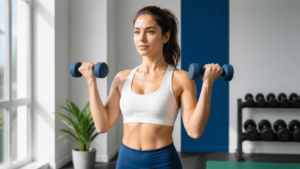
Exercise can help reduce insulin resistance and manage weight, both of which can improve PCOS symptoms and promote healthier hair.
- Aim for at least 150 minutes of moderate aerobic exercise each week.
- Include strength training at least twice a week.
4. Avoid Harsh Hair Treatments
Over-styling or using harsh chemicals can lead to further hair damage. Instead, opt for gentle shampoos and conditioners, and avoid excessive heat.
Sample Nutritional Plan for PCOS Hair Loss
A Day of Eating for PCOS Management
Breakfast:
- Scrambled eggs with spinach and whole grain toast
Snack:
- A handful of nuts and a small apple
Lunch:
- Quinoa salad with mixed vegetables and chickpeas
Snack:
- Greek yogurt with berries
Dinner:
- Grilled salmon, steamed broccoli, and brown rice
Hydration:
- Drink water throughout the day and consider herbal teas.
FAQs
What is the best diet for PCOS hair loss?
A diet rich in whole foods, low-GI foods, healthy fats, and proteins can help manage PCOS hair loss.
Can specific vitamins help with hair loss from PCOS?
Yes, vitamins like iron, zinc, vitamin D, and biotin play essential roles in promoting hair health.
How often should I exercise to help with PCOS?
Aim for at least 150 minutes of moderate exercise weekly. Include strength training twice a week for best results.
Are there any supplements for PCOS hair loss?
Supplements like myo-inositol and omega-3 fatty acids may help. Always consult a healthcare professional before starting any new supplement.
Should I avoid carbohydrates completely with PCOS?
Not necessarily. Focus on choosing complex carbohydrates with a low Glycemic Index to manage insulin levels without eliminating carbs completely.
Can stress affect hair loss in PCOS women?
Yes, chronic stress can exacerbate PCOS symptoms and contribute to hair loss. Managing stress is important for overall health.
Is there a link between weight management and PCOS hair loss?
Yes, maintaining a healthy weight can help improve insulin sensitivity and reduce androgen levels, which may help with hair loss.
What are some easy meals for a PCOS-friendly diet?
Simple meals include salads with lean protein, whole grain dishes, vegetable stir-fries, and smoothies packed with fruits and healthy fats.
How long does it take to see results from changes in diet and lifestyle?
Results may vary, but most individuals may start to notice improvements in a few months with consistent changes in diet and lifestyle.
Can I treat PCOS hair loss naturally?
Yes, dietary changes, stress management, and maintaining a healthy lifestyle can be effective natural treatments for PCOS-related hair loss.
Is professional help necessary for managing PCOS hair loss?
Consulting a healthcare professional can provide personalized advice and ensure you are on the right track for managing your symptoms.
What foods should I avoid with PCOS?
Try to limit processed foods, refined sugars, and high-GI carbohydrates, as these can worsen insulin resistance and hormonal imbalances.
How can I boost my hair growth naturally?
Focus on a balanced diet rich in nutrients, manage stress, and avoid damaging hair practices to support natural hair growth.
What is the role of omega-3 fatty acids in PCOS?
Omega-3 fatty acids may help reduce inflammation and improve insulin sensitivity, contributing to better PCOS management.
Is vegetarian or vegan diet beneficial for PCOS?
Both vegetarian and vegan diets can be beneficial for PCOS if they are well-planned and include enough protein, fats, and essential vitamins.
Understanding the connection between PCOS and hair loss is essential for managing symptoms effectively. With a focus on nutrition and lifestyle adjustments, it’s possible to regain hair health and improve overall well-being. Implementing these dietary tips may make a significant difference in managing PCOS and its effects.
Medical Disclaimer
This article is for educational purposes only and should not be considered medical advice.
Always consult your doctor before making health-related decisions.