
Table of Contents
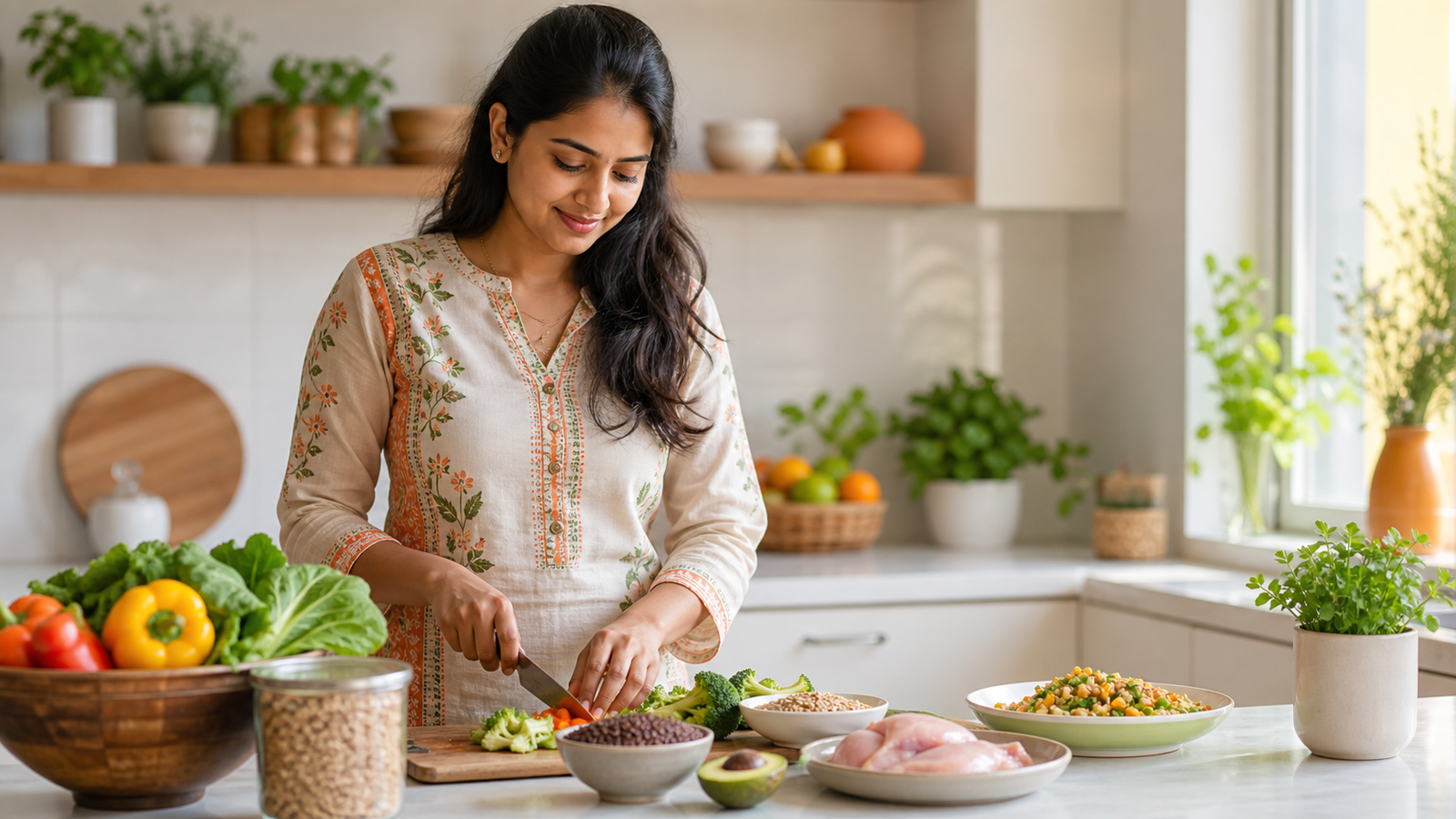
Taking care of your diet is key when trying to conceive. A fertility diet for Indian women trying to conceive focuses on nutrition that can enhance reproductive health. Eating the right foods can improve hormone levels, egg quality, and overall fertility.
A balanced diet ensures that the body gets necessary vitamins, minerals, and nutrients. This article will explore what foods to include, what to avoid, and practical tips for optimizing your diet during this important time.
Why a Fertility Diet Matters
Fertility is influenced by many factors, including diet. What you eat affects your hormone levels, weight, and health. A healthy diet can support menstruation and improve chances of conception.
Key Nutrients for Fertility
Certain nutrients are particularly beneficial for reproductive health. Here are some critical ones:
- **Folic Acid**: Important for DNA synthesis and fetal development. Sources include leafy greens and lentils.
- **Omega-3 Fatty Acids**: Support hormone production. Found in fish, flaxseeds, and walnuts.
- **Antioxidants**: Protect your eggs from damage. Get them from fruits and vegetables like berries and sweet potatoes.
- **Vitamin D**: Aids hormonal balance. You can find it in fortified foods and sunlight.
Foods to Include in Your Fertility Diet
Eating well is essential when trying to conceive. The following foods can greatly benefit your fertility.
Whole Grains
Whole grains like brown rice, quinoa, and whole wheat bread are beneficial. They provide fiber, which helps maintain a healthy weight and regulate hormones.
Lean Proteins
Include lean proteins such as chicken, turkey, and legumes. These foods help support muscle mass and provide essential amino acids for reproductive health.
Healthy Fats
Healthy fats from sources like avocados, nuts, and olive oil can support hormone production. These fats improve overall health and inflammation levels.
Dairy Products
Low-fat dairy products can be helpful. They contain calcium, which is good for your bones and helps regulate hormones.
Fruits and Vegetables
Aim for a variety of colorful fruits and vegetables. These are rich in vitamins, minerals, and antioxidants that support overall health and fertility.
Hydration
Don’t underestimate the importance of water. Staying hydrated aids digestion and helps the body absorb nutrients effectively.
Foods to Avoid
Certain foods can impair fertility. Here’s what you should generally avoid:
Processed Foods
Minimize intake of processed foods. These often contain unhealthy fats and sugars that can lead to weight gain and hormonal imbalances.
Refined Sugars
Limit sugary snacks and drinks. High sugar intake is linked to insulin resistance, which can negatively affect ovulation.
Trans Fats
Avoid trans fats commonly found in fried and packaged foods. These fats can interfere with reproductive hormone balance.
Limit Caffeine and Alcohol
High caffeine and alcohol intake can impact fertility. It’s best to limit consumption while trying to conceive.
Practical Tips for Adopting a Fertility Diet
Making changes to your diet can feel overwhelming. Here’s a simple guide to transition effectively:
Plan Your Meals
Planning meals ahead of time can save time and help ensure you stick to your diet. Prepare a weekly menu that includes the recommended foods.
Grocery Shopping
Create a grocery list based on your meal plan. Stock up on whole foods like fruits, vegetables, beans, and whole grains.
Cook at Home
Cooking at home allows you to control ingredients. Try simple recipes that focus on healthy, whole foods.
Mindful Eating
Pay attention to how you eat. Eating slowly and mindfully can improve digestion and help you appreciate your meals.
Supplement Wisely
Consider talking to your doctor about supplements. A prenatal vitamin with folic acid may be beneficial.
Lifestyle Changes to Support Your Diet
Diet is only part of the equation. Making various lifestyle changes can also enhance fertility.
Regular Exercise
Moderate exercise can improve body weight and hormone balance. Aim for activities like walking, yoga, or swimming.
Manage Stress
High stress levels can impact fertility. Engage in activities such as meditation, gardening, or deep-breathing exercises.
Sleep Well
Aim for 7-9 hours of quality sleep each night. Good sleep supports hormone production and overall health.
Regular Check-ups
Schedule regular health check-ups. Your doctor can provide guidance tailored to your health needs.
Considerations for Specific Conditions
Some women may face unique challenges affecting their fertility. Here are a few considerations:
PCOS (Polycystic Ovary Syndrome)
Women with PCOS may benefit from a low-carb diet. Focus on whole foods and limit foods high in sugar.
Thyroid Issues
Thyroid health can play a crucial role in fertility. Foods rich in iodine, like fish, and selenium, found in nuts, can support thyroid function.
Age Considerations
As women age, egg quality may decline. A nutrient-rich diet can help improve overall reproductive health even for older women.
Cultural Diet and Fertility
Indian cuisine offers a variety of foods that can enhance fertility. Traditional foods can easily be adapted into a fertility diet.
Explore Local Ingredients
Incorporate local and seasonal ingredients into your meals. With plenty of vegetables, legumes, and spices, Indian cuisine can be very nutritious.
Popular Fertility Foods in Indian Diets
- **Lentils (Dal)**: High in protein and fiber.
- **Turmeric**: Contains curcumin, which has anti-inflammatory properties.
- **Fenugreek**: Thought to help with hormone balance.
Sample Fertility Diet Plan
Here’s a simple, one-week sample meal plan to get started.
Day 1
- **Breakfast**: Oatmeal topped with nuts and berries
- **Lunch**: Quinoa salad with vegetables and chickpeas
- **Dinner**: Grilled chicken with sweet potatoes and green beans
Day 2
- **Breakfast**: Smoothie with spinach, banana, and yogurt
- **Lunch**: Lentil soup with whole-grain bread
- **Dinner**: Salmon with brown rice and steamed broccoli
Day 3
- **Breakfast**: Whole grain toast with avocado
- **Lunch**: Mixed vegetable stir-fry with tofu
- **Dinner**: Quinoa bowl with black beans, corn, and salsa
Continue this pattern, ensuring each meal includes vegetables, lean protein, and healthy fats.
Conclusion
A fertility diet for Indian women trying to conceive involves eating balanced, nutritious foods while avoiding harmful items. Incorporate whole grains, lean proteins, and healthy fats, while also focusing on a lifestyle that includes regular exercise and stress management.
Making dietary changes can take time. Start small, and remember to consult with healthcare professionals as needed. A healthy diet not only supports fertility but also contributes to overall well-being.
FAQs
1. What are some foods that boost fertility?
Foods such as leafy greens, whole grains, green vegetables, and healthy fats support fertility.
2. Should I take supplements when trying to conceive?
It is often beneficial to take a prenatal vitamin, but it’s best to discuss this with your healthcare provider.
3. Can weight affect fertility?
Yes, both underweight and overweight conditions can impact hormone balance and fertility.
4. How does stress affect fertility?
High stress can interfere with hormone levels, impacting ovulation and overall reproductive health.
5. Is it okay to drink coffee while trying to conceive?
Moderation is key; consider limiting caffeine intake if you are trying to conceive.
6. Are there any foods to avoid during this time?
Avoid processed foods, refined sugars, and excessive alcohol when trying to conceive.
7. How important is hydration for fertility?
Staying hydrated is crucial as it helps your body function well and absorb nutrients effectively.
8. Can my menstrual cycle affect my diet?
Yes, certain phases of your menstrual cycle may benefit from specific nutrients that support hormonal balance.
9. What role do antioxidants play in fertility?
Antioxidants help protect your eggs from damage and support overall reproductive health.
10. Should I change my diet if I have PCOS?
A balanced diet with low refined carbohydrates can benefit women with PCOS.
11. How can I make healthy meals quickly?
Meal prepping for the week can save time and ensure you have healthy meals ready to go.
12. Is regular exercise necessary when trying to conceive?
Moderate exercise can improve overall health and support hormone balance, making it beneficial when trying to conceive.
13. Can I include dairy in my fertility diet?
Low-fat dairy can be beneficial; however, it’s good to monitor how your body reacts and adjust accordingly.
14. What types of protein should I focus on?
Lean proteins from sources like chicken, fish, and legumes are great options for a fertility diet.
15. How long should I follow a fertility diet before trying to conceive?
It’s recommended to start a fertility diet at least three months before trying to conceive, but many benefits can be experienced even sooner.
Medical Disclaimer
This article is for educational purposes only and should not be considered medical advice.
Always consult your doctor before making health-related decisions.